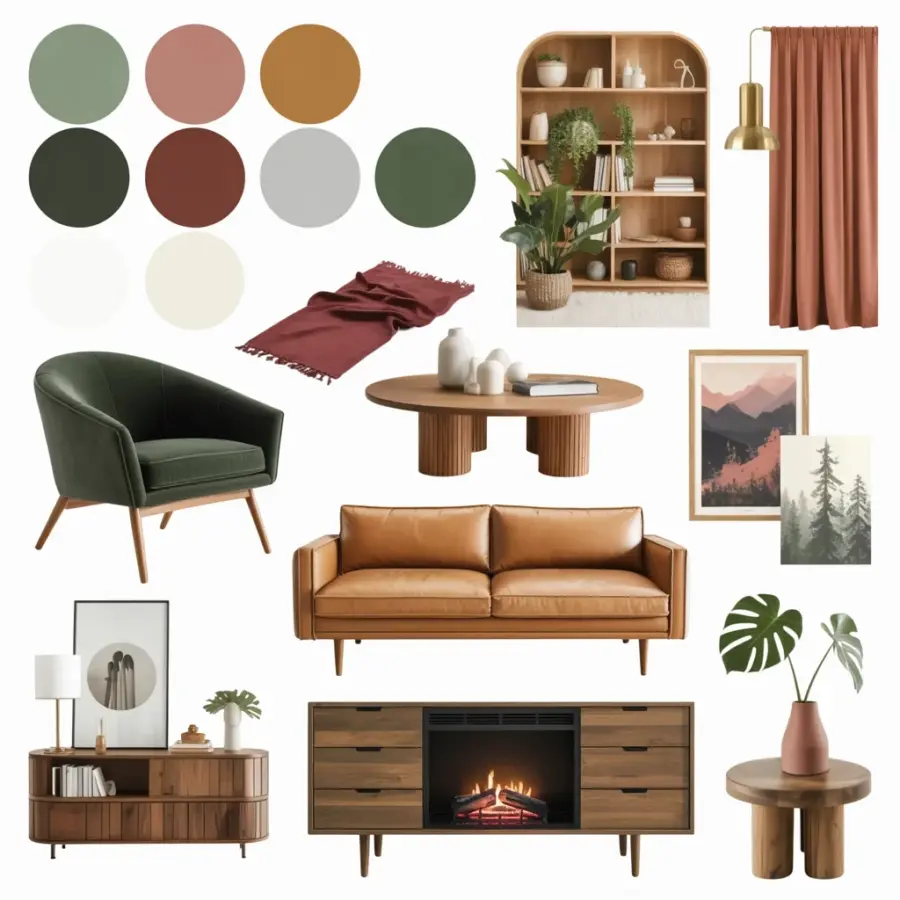
Choosing the Right Shades of Green and Brown for Your Copper Accents
Getting the color balance right is the first real step. Not every green or brown works with vintage copper. Olive green and sage green are your safest bets because they have enough yellow undertones to mirror the warm orange in copper. Deep chocolate brown and warm taupe also create a rich backdrop. Avoid cool emerald greens or grayish browns unless you want a more modern, less cozy vibe. I learned this the hard way when I paired a bright copper kettle with a cool mint green wall. It felt disjointed, not warm. Stick to earthy greens like moss or forest, and browns with red or gold hints. This sets the stage for copper to pop without fighting for attention.
Sourcing Authentic Vintage Copper Pieces Without Breaking the Bank
Real vintage copper has a softer, uneven patina that new pieces just don’t match. Start with estate sales and flea markets. Look for copper pots, pans, and molds that show dark spots and a few dents. That character is exactly what makes them look “vintage” instead of just old. Online, check Facebook Marketplace or Etsy shops that specialize in antique kitchenware. Be patient. A solid copper mixing bowl might cost 30 dollars instead of 80 if you wait. Avoid anything labeled “distressed” that is clearly machine-made. You can also find vintage copper backsplash tiles at architectural salvage yards. They are rare but worth the hunt for a truly one of a kind look.
- Check local thrift stores for copper mugs and small trays. They often get overlooked.
- Ask at antique malls for pieces from the 1920s to 1950s. That era had the thickest copper.
- Look for copper with riveted handles. That usually means it was handmade and will patina beautifully.
- Don’t be afraid to buy slightly tarnished pieces. A little cleaning reveals the glow underneath.
How to Arrange Copper Accents for Balanced Visual Weight
Copper is a strong visual anchor. One or two large pieces do more than a dozen small trinkets. I suggest placing a single vintage copper pot on a shelf above a sage green backsplash. Let it be the focal point. Then add smaller copper hooks for utensils on a brown butcher block counter. Keep the arrangement asymmetrical but balanced. For example, group three copper measuring cups on one side of the stove and a copper fruit basket on the other. This creates movement without clutter. If you have a brown wooden island, hang a copper pendant light low. That draws the eye down and makes the whole kitchen feel grounded. Test the layout by taking a photo on your phone. Black and white mode helps you see contrast and weight more clearly.
Mixing Copper with Other Metals and Materials the Right Way
Vintage copper does not shy away from other metals, but you need a plan. Brass is a natural partner because it shares warm tones. But limit brass to drawer pulls or a faucet to avoid a competition with copper. Stainless steel should be barely visible, think small appliances you keep against a wall. I avoid brass and copper together in the same light fixture. It looks messy. Instead, pair copper with natural wood or stone. A brown marble countertop with a copper sink is a stunning combo. For cabinet hardware, choose dark wrought iron or oil rubbed bronze. They stay in the background while copper stands out. The rule is: let copper be the star and keep other metals as supporting actors.
Caring for Vintage Copper to Keep That Patina Glow
Real copper changes over time. Some people love the deep brown patina, others want a warm orange shine. Decide early which you prefer. For a glossy look, polish with a mixture of salt, vinegar, and flour. Rub gently with a soft cloth. Do this only a few times a year because overpolishing wears down the metal. For a deeper patina, simply wipe with a damp cloth and let air dry. Never put vintage copper in the dishwasher. The high heat and detergent strip the finish unevenly. If you have copper pots you actually cook with, line them with tin or stainless steel inside. Otherwise, the copper can leach into acidic foods. That is a practical step many bloggers skip. A little care keeps your vintage pieces beautiful for decades.
Incorporating Copper Into Specific Kitchen Zones
Think zone by zone. The backsplash area is ideal for a copper hanging rack with pots and pans. It saves space and adds instant warmth. For the counter zone, place a copper mortar and pestle or a small copper teapot near your coffee station. On open shelves, stack copper molds and jelly pans. They catch light and create depth. The sink zone can feature a copper farmhouse sink if your budget allows. If not, a copper soap dispenser and a copper wire sponge holder do the job. For the dining area within your kitchen, a copper pitcher for water or a copper tray for bread adds continuity. Do not forget the hardware zone. Copper switch plates and outlet covers are a subtle touch that ties everything together without shouting.
Adding Texture and Warmth with Copper and Natural Fibers
Copper alone can feel cold if you don’t pair it with soft textures. Bring in linen dish towels in warm beige, a jute rug under the sink, or a wooden cutting board with copper handles. These materials balance the metallic sheen and make the kitchen feel lived in. I also like to add a few dried branches or eucalyptus in a copper vase. The organic shapes soften the straight lines of cabinets. For seating, consider barstools with brown leather seats and copper legs. That mix of textures is what gives a nature inspired design its depth. Avoid too many shiny surfaces. Patina copper, matte wood, and rough linen create a layered space that looks intentional, not staged.
Final Thoughts and Your Next Step
Vintage copper kitchen accents work best when you treat them as meaningful objects, not just decor. Choose colors that honor the earth, source real pieces with history, and arrange them with care. The result is a kitchen that feels warm, personal, and quietly elegant. Start with one corner. Pick a single copper piece you love, and build around it with greens and browns that feel natural to you. Your kitchen should reflect your taste, not a trend. If you found these steps useful, please share your own copper finds or tag a photo of your space. I would love to see how you blend those warm tones.
#GreenBrownKitchen #CopperDecor #VintageStyle #KitchenDesign #NatureInspired
This post was researched and drafted with AI assistance, then personally reviewed and edited by Copper Finds Vera before publishing.
Leave a Comment